

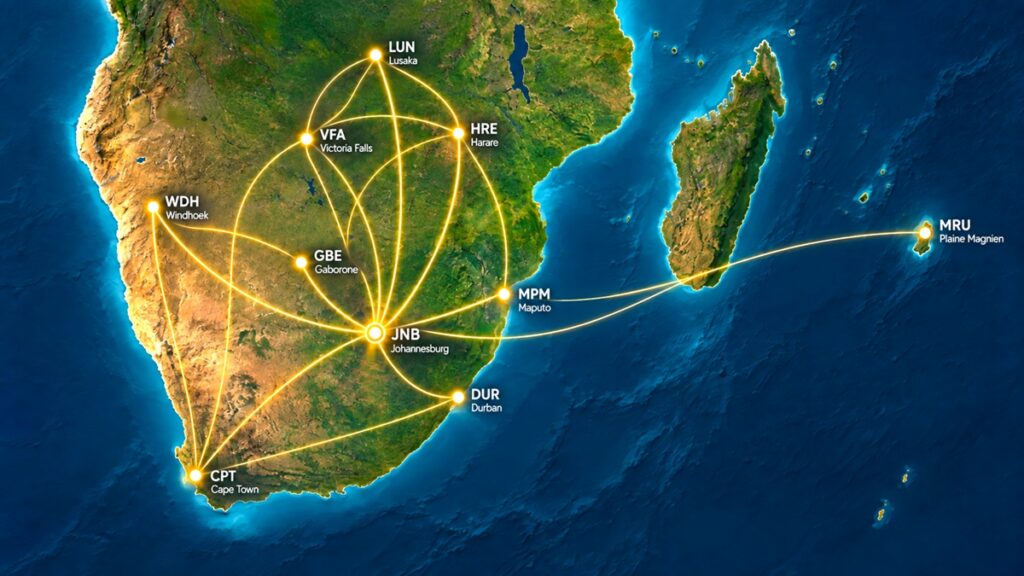
Southern Africa has a mixture of large intercontinental gateways, regional hubs and smaller capital-city airports that provide essential connections between neighbouring countries. Knowing the role of each airport can help you choose a sensible route, understand where a connection may be required and avoid confusing airports with similar city names.
What makes an airport “major” in Southern Africa?
This is not a ranking based only on passenger numbers. An airport can be important because it handles intercontinental flights, acts as a regional connection point, serves a national capital or provides access to a major tourism area.
For travellers arriving from Europe, Johannesburg, Cape Town and Mauritius are among the most significant international gateways. Airports such as Harare, Lusaka and Windhoek connect national capitals to regional and selected long-haul networks, while Victoria Falls has an especially important role in leisure travel.
Route examples in this guide indicate the kinds of journeys for which each airport is useful. They should not be treated as guaranteed schedules: airlines may change frequencies, operate seasonally or withdraw routes altogether.
| Airport | IATA code | City or area | Main role |
|---|---|---|---|
| O. R. Tambo International Airport | JNB | Johannesburg, South Africa | Primary regional and intercontinental hub |
| Cape Town International Airport | CPT | Cape Town, South Africa | International gateway and tourism hub |
| King Shaka International Airport | DUR | Durban, South Africa | Gateway to KwaZulu-Natal |
| Robert Gabriel Mugabe International Airport | HRE | Harare, Zimbabwe | Zimbabwe’s capital-city gateway |
| Victoria Falls International Airport | VFA | Victoria Falls, Zimbabwe | Regional tourism gateway |
| Kenneth Kaunda International Airport | LUN | Lusaka, Zambia | Zambian and regional hub |
| Hosea Kutako International Airport | WDH | Windhoek, Namibia | Namibia’s principal international airport |
| Sir Seretse Khama International Airport | GBE | Gaborone, Botswana | Botswana’s capital-city gateway |
| Maputo International Airport | MPM | Maputo, Mozambique | National and regional gateway |
| Sir Seewoosagur Ramgoolam International Airport | MRU | Plaine Magnien, Mauritius | Indian Ocean leisure and international hub |
1. O. R. Tambo International Airport, Johannesburg
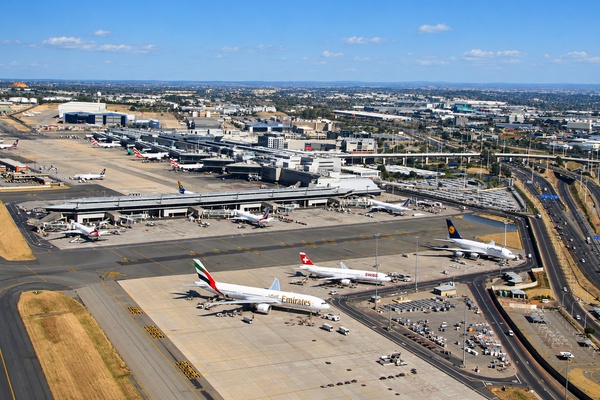
IATA code: JNB
Location: Johannesburg, South Africa
O. R. Tambo International Airport is the most important connecting airport in Southern Africa. It combines extensive South African domestic services with flights to neighbouring countries, other parts of Africa, Europe, the Middle East and selected destinations elsewhere in the world.
South African Airways, Airlink and FlySafair are among the familiar operators travellers may encounter, alongside numerous international airlines. Its broad network makes Johannesburg a practical connection point for journeys to Harare, Lusaka, Gaborone, Maputo, Windhoek, Victoria Falls and smaller regional destinations.
Useful information for travellers
- Check whether your onward flight leaves from a domestic or international area and allow enough time to walk between them.
- If flights are on separate bookings, you may need to collect your baggage, enter South Africa and check in again. Confirm this with the airlines involved.
- The Gautrain provides a rail connection between the airport and parts of Johannesburg and Pretoria. Travellers heading elsewhere may prefer an arranged transfer or reputable taxi service.
- Do not assume that a short advertised connection is suitable for separate tickets, particularly where immigration and baggage collection are involved.
O. R. Tambo is operated by Airports Company South Africa, whose official airport website provides terminal and passenger information.
2. Cape Town International Airport
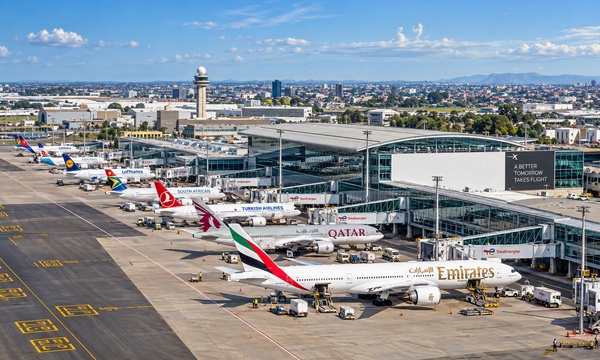
IATA code: CPT
Location: Cape Town, South Africa
Cape Town International Airport is a major gateway for holidays, business travel and visits to friends and relatives. It has a strong domestic network and a range of direct international services, although some long-haul routes operate only on selected days or during particular travel seasons.
South African carriers connect Cape Town with Johannesburg, Durban and other domestic destinations. Depending on the airline schedule, travellers may also find direct flights to European, African and Middle Eastern hubs. If a suitable direct flight is unavailable, Johannesburg is the most common alternative connection point.
Useful information for travellers
- The domestic and international facilities form part of the same main terminal complex, but passengers should still allow time for security and border formalities.
- Compare a direct flight with a connection through Johannesburg. The cheapest itinerary may involve a considerably longer journey or a tighter transfer.
- Pre-booked transfers, metered transport and car hire are common ways to reach central Cape Town and the surrounding areas.
- Allow additional road time if travelling to the Cape Winelands or accommodation beyond the city.
3. King Shaka International Airport, Durban

IATA code: DUR
Location: Durban, South Africa
King Shaka International Airport serves Durban and the wider KwaZulu-Natal region. Its network is dominated by South African domestic flights, making Johannesburg and Cape Town important connecting points for many international journeys.
Airlink, FlySafair and South African Airways are among the airlines that may appear on domestic or regional searches. A limited number of international services can also operate from Durban, but travellers should compare them carefully with one-stop options because frequencies and operating days vary.
Useful information for travellers
- The airport is north of central Durban, so include the road transfer when comparing arrival times.
- A journey from Europe may be sold with a domestic connection at Johannesburg or Cape Town.
- On a through ticket, the airline should explain the baggage and transfer procedure. Separate bookings create more risk if the first flight is delayed.
- Check the destination before arranging transport: Durban city, Umhlanga and coastal resorts involve different transfer distances.
4. Robert Gabriel Mugabe International Airport, Harare
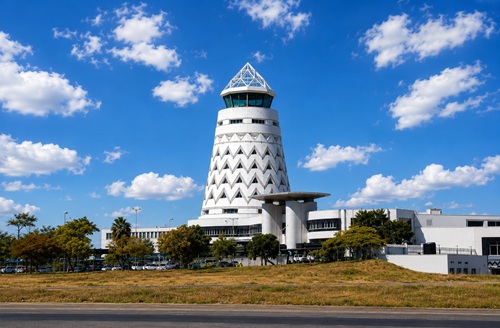
IATA code: HRE
Location: Harare, Zimbabwe
Robert Gabriel Mugabe International Airport is Zimbabwe’s main capital-city gateway. It is central to business travel, family visits and regional journeys, with links to major African connecting airports.
Air Zimbabwe, fastjet Zimbabwe and Airlink are among the operators associated with Harare, while other African airlines provide access through their own hubs. Johannesburg is particularly useful for Europe–Harare itineraries, although routings through East African or other regional hubs may also appear in search results.
Useful information for travellers
- Compare the total journey time rather than looking only at the first flight. Some itineraries involve long overnight connections.
- Confirm whether checked baggage is tagged through to Harare, especially when combining different airlines.
- Arrange airport transport through your accommodation or a reputable provider if you are arriving late.
- Check Zimbabwe’s official entry requirements for your nationality before travelling, including any visa or payment arrangements that may apply.
Passenger information can be checked with Airports Company of Zimbabwe.
5. Victoria Falls International Airport
IATA code: VFA
Location: Victoria Falls, Zimbabwe
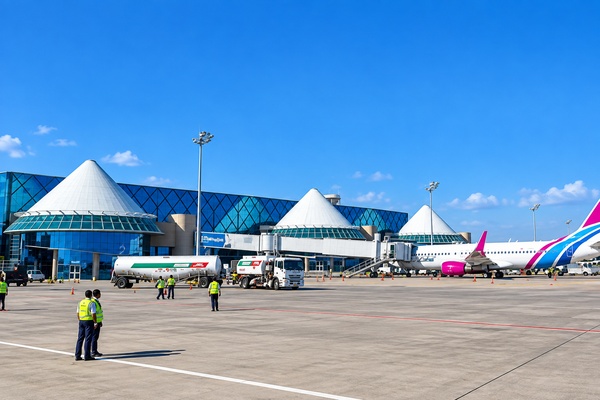
Victoria Falls International Airport is an important leisure gateway rather than a large capital-city hub. It provides access to Victoria Falls, nearby safari areas and cross-border itineraries involving Zimbabwe, Zambia, Botswana and Namibia.
Regional flights commonly connect Victoria Falls with larger airports such as Johannesburg and Cape Town, while services to other African destinations depend on airline schedules. Travellers may encounter Zimbabwean and South African regional airlines as well as other African network carriers.
Useful information for travellers
- Do not confuse VFA with Harry Mwanga Nkumbula International Airport in Livingstone, Zambia. Both can be used for Victoria Falls trips, but they are in different countries.
- If your itinerary crosses the Zimbabwe–Zambia border, check the entry requirements for every passport holder and every planned crossing.
- Many lodges arrange airport transfers. Confirm whether the transfer is included, shared or private before arrival.
- For a safari extension into Botswana, check the total road journey, border formalities and luggage restrictions on any small aircraft involved.
6. Kenneth Kaunda International Airport, Lusaka
IATA code: LUN
Location: Lusaka, Zambia
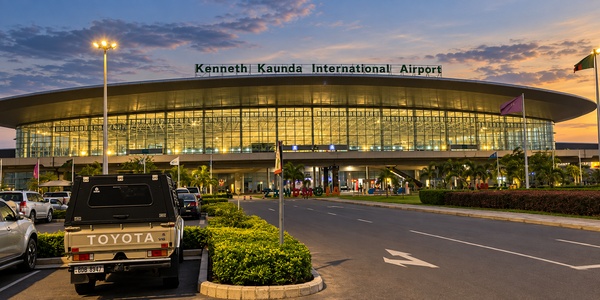
Kenneth Kaunda International Airport is Zambia’s main international gateway and a useful regional connection point. It serves the capital while also feeding journeys to destinations elsewhere in Zambia and neighbouring countries.
Proflight Zambia and Zambia Airways are important names in the local market. Larger African and international airlines can connect Lusaka with hubs such as Johannesburg, Addis Ababa and Nairobi, with other routes depending on operating schedules.
Useful information for travellers
- Domestic connections within Zambia may use smaller aircraft with stricter baggage limits than the long-haul flight that brought you to Lusaka.
- If you are connecting to a safari destination, compare the baggage allowance across every sector before packing.
- Leave a sensible buffer between separate bookings. A missed onward flight may not be protected if the tickets were purchased independently.
- Arrange onward road transport in advance when travelling beyond central Lusaka.
The Zambia Airports Corporation publishes official information for airports under its management.
7. Hosea Kutako International Airport, Windhoek

IATA code: WDH
Location: Windhoek, Namibia
Hosea Kutako International Airport is Namibia’s principal international gateway. It is especially important for travellers beginning self-drive holidays, organised tours and fly-in safari itineraries.
FlyNamibia and Airlink are among the airlines travellers may see on regional searches. Connections through Johannesburg are common, while services involving European or other African hubs may also be available depending on the season and timetable.
Useful information for travellers
- The airport is well outside central Windhoek, so allow for a substantial road transfer.
- Do not confuse Hosea Kutako with Eros Airport, a smaller airport within Windhoek used for some domestic and charter operations.
- If hiring a car, check the rental desk’s opening time, insurance conditions and policy for driving on unsealed roads.
- Light-aircraft safari flights may have soft-bag and weight requirements that differ from those of the international airline.
Airport information is available from the official Hosea Kutako International Airport website.
8. Sir Seretse Khama International Airport, Gaborone
IATA code: GBE
Location: Gaborone, Botswana
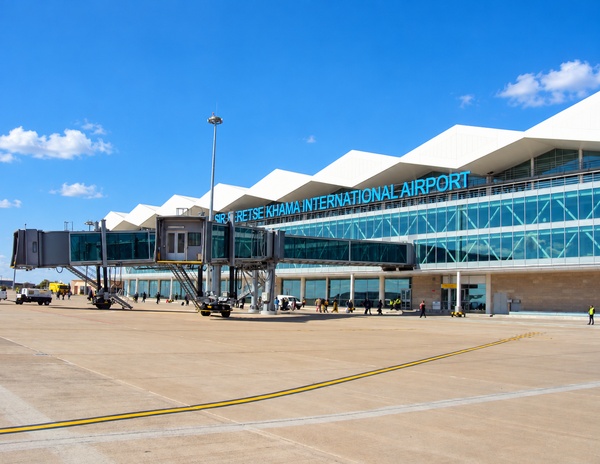
Sir Seretse Khama International Airport serves Botswana’s capital and is the country’s principal airport for scheduled international travel. Its network is primarily regional, with Johannesburg playing an important role in journeys arriving from Europe and other long-haul markets.
Air Botswana is the national carrier, while Airlink is another important operator on regional services. Routes and frequencies can be limited compared with Johannesburg, so departure day and connection length may have a noticeable effect on the fare.
Useful information for travellers
- GBE is the code for Gaborone; it is not the main airport for every Botswana safari itinerary.
- Travellers visiting the Okavango Delta often use Maun, while Kasane is useful for Chobe and some Victoria Falls combinations.
- Check whether a domestic safari flight is included on the same booking and whether its luggage allowance is lower.
- When connecting in Johannesburg, confirm whether you must pass through immigration and collect your baggage.
Official airport information is provided by the Civil Aviation Authority of Botswana airport portal.
9. Maputo International Airport
IATA code: MPM
Location: Maputo, Mozambique
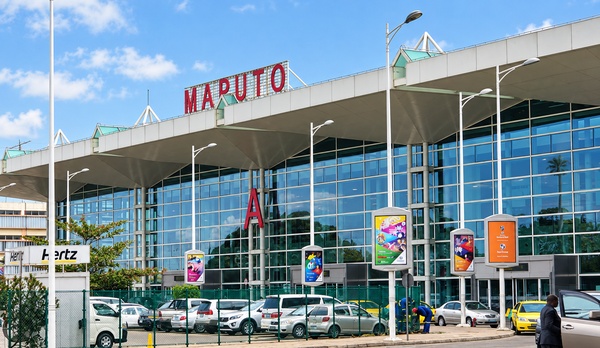
Maputo International Airport, also known as Mavalane, is Mozambique’s main capital-city gateway. It is useful for business trips, city visits and connections into Mozambique’s domestic network.
LAM Mozambique Airlines is a key operator, while regional airlines link Maputo with major Southern African airports. Intercontinental options are more limited than at Johannesburg or Cape Town, although selected long-haul services may operate.
Useful information for travellers
- Johannesburg is a common connection point for journeys between Europe and Maputo.
- Mozambique is a long country. Confirm whether Maputo is the appropriate airport for your destination rather than assuming every resort is nearby.
- Domestic flights may have different baggage allowances, check-in procedures and reliability considerations from the international sector.
- Check official visa and entry information before departure rather than relying solely on an airline search result.
Airport information can be checked through Aeroportos de Moçambique.
10. Sir Seewoosagur Ramgoolam International Airport, Mauritius
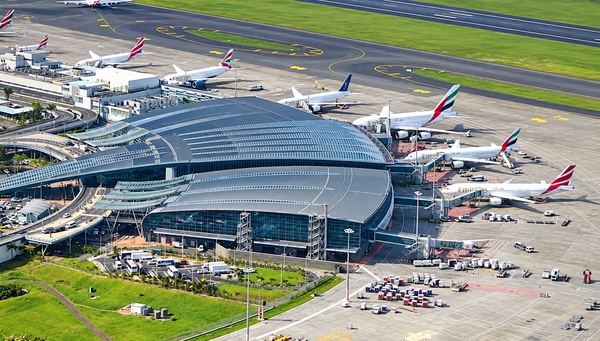
IATA code: MRU
Location: Plaine Magnien, Mauritius
Sir Seewoosagur Ramgoolam International Airport is the main gateway to Mauritius. Although the island lies in the Indian Ocean, it forms an important part of the broader Southern African travel network and is frequently combined with flights through Johannesburg or other African hubs.
Air Mauritius is the home carrier. Travellers may also find flights operated by African, European, Middle Eastern and Asian airlines, although availability varies by season and point of departure. Direct services can be convenient, but connecting flights may provide more choice.
Useful information for travellers
- The airport is in the south-east of the island rather than in Port Louis.
- Road transfers to resorts in the north, west or far east can be lengthy, particularly at busy times.
- Confirm whether your hotel package includes an airport transfer before paying for separate transport.
- If connecting through another country, check its transit requirements as well as Mauritius’s entry rules.
Airline and route information can be checked with Air Mauritius, but airport procedures and entry requirements should be verified separately with the relevant official authorities.
How to choose the right Southern African airport
The nearest airport on a map is not always the easiest or cheapest choice. A regional airport may save a road journey, but reaching it could require an expensive connection with limited operating days.
- Compare the complete itinerary. Include connection time, baggage rules and the journey from the arrival airport to your final destination.
- Check whether the tickets are protected. A through booking normally provides more support after a disruption than two unrelated tickets.
- Look at every baggage allowance. Regional and safari aircraft may permit less luggage than an intercontinental flight.
- Consider alternative gateways. Johannesburg may offer more choice, while Cape Town or a direct regional flight could reduce backtracking.
- Verify border requirements. A connection may require you to enter the transit country, particularly when collecting baggage or changing airports.
Connecting on separate flight bookings
Combining separate tickets can reduce the fare or make an unusual route possible, but it transfers more risk to the traveller. If the first flight arrives late, the second airline will not necessarily rebook you without charge. Before booking, establish whether you must collect your bag, pass through immigration, change terminals or check in by a fixed deadline. Build in a generous buffer and consider an overnight stop where the onward flight operates infrequently.
Checks to make before you travel
- Confirm the IATA code as well as the airport name.
- Review the operating airline, because it may differ from the airline that sold the ticket.
- Check baggage allowances for each individual flight.
- Verify visa, transit, passport and health requirements through official sources.
- Confirm terminal details and airport transport shortly before departure.
- Allow additional time when travelling on separate bookings or connecting to a small regional aircraft.
Southern Africa’s airport network works best when travellers understand the difference between a major connecting hub and a smaller gateway closer to their destination. Johannesburg provides the widest range of regional connections, but airports such as Harare, Lusaka, Windhoek, Maputo and Gaborone can remove unnecessary road travel, while Victoria Falls and Mauritius provide direct access to major holiday areas.
Key takeaways
- Johannesburg is the region’s most useful connecting point for flights between Europe, Africa and destinations across Southern Africa.
- Cape Town and Mauritius have substantial international networks, while many other airports rely more heavily on regional connections.
- Harare, Lusaka, Windhoek, Gaborone and Maputo are important capital-city gateways even though their route networks are smaller.
- Victoria Falls is particularly useful for leisure trips combining the falls, safari areas and neighbouring countries.
- Airlines, routes, terminals and entry rules can change, so verify your complete journey before booking.